Private-Label Customization for Existing Beauty Equipment Models
For custom beauty machines based on an existing Aurum Epoch model, share your logo, color, interface language, labels and packaging with the target market and intended quantity.
For buyersBrand owners, distributors and product-development teams
Business outcomeA clearer equipment order and supplier handover
TL;DR · Direct answer
The practical answer for a professional buyer
For custom beauty machines based on an existing Aurum Epoch model, share your logo, color, interface language, labels and packaging with the target market and intended quantity. Use the model, configuration and destination market as the decision record; do not compare quotations or approve a private-label change until those references match.
01
Choose the base model and branding scope
Identify the catalogue model and its intended configuration. List the surfaces and materials that need your branding so the applicable changes can be reviewed together.
Existing model and configuration
Logo, color and exterior requirements
Labels, packaging and interface wording
02
Customize the brand presentation
Coordinate the device logo, color and material direction with packaging, manuals and approved sales assets for a consistent private-label launch.
Logo and color application
Packaging and printed materials
Product images and launch assets
03
Localize interface and product content
Share the required language, interface wording, manual content, labels and market information so the applicable changes can be reviewed together.
Interface language and wording
Manual and label content
Destination-market requirements
04
Develop and approve samples
Depending on scope, the project may use appearance samples, functional prototypes, engineering samples or a pilot run before volume production.
Sample type and purpose
Revision feedback and approval
Production reference confirmation
05
Confirm production and commercial terms
Minimum quantity, tooling, development charges, sample cost and schedule depend on the selected model and customization scope.
Feasibility and cost review
Minimum quantity and schedule
Production, packing and delivery plan
Practical templates
Documents that make supplier comparison faster.
Use these working files to compare quotations, confirm responsibilities and prepare the final equipment order.
01
Customization brief
Selected model, brand direction, interface, packaging and product-change requirements.
02
Sample approval
Approved appearance, function, artwork and product revision before production.
03
Production package
Aligned product, interface, label, packaging and documentation references.
Visual buying context
Visual planning context for Private-Label Customization for Existing Beauty Equipment Models
These supporting visuals explain a buyer’s planning context. They do not substitute for a model-specific quotation, technical file, commercial agreement or destination-market review.
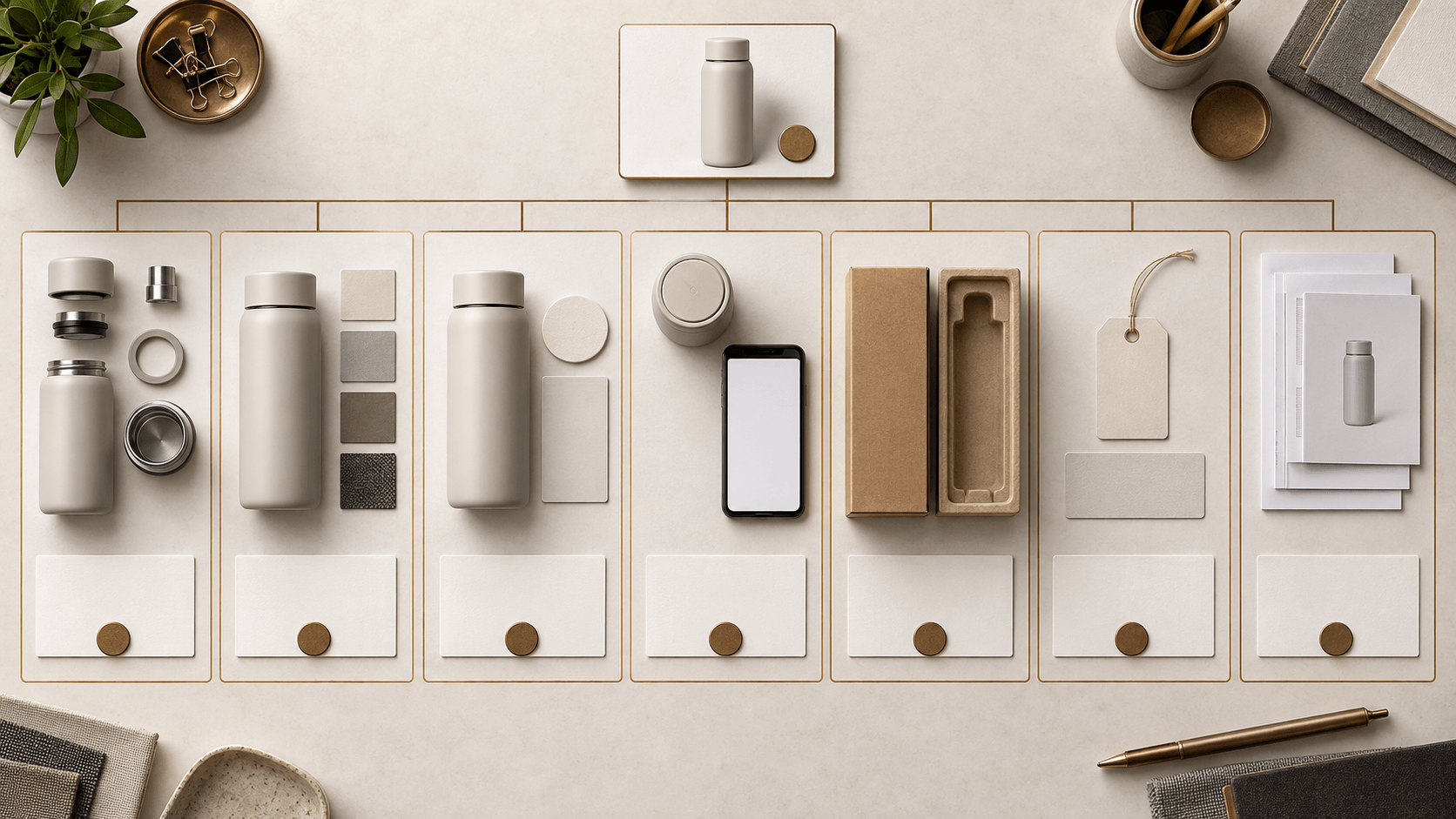
Editorial illustration: a sample approval should name the version, scope, unresolved items and written decision.
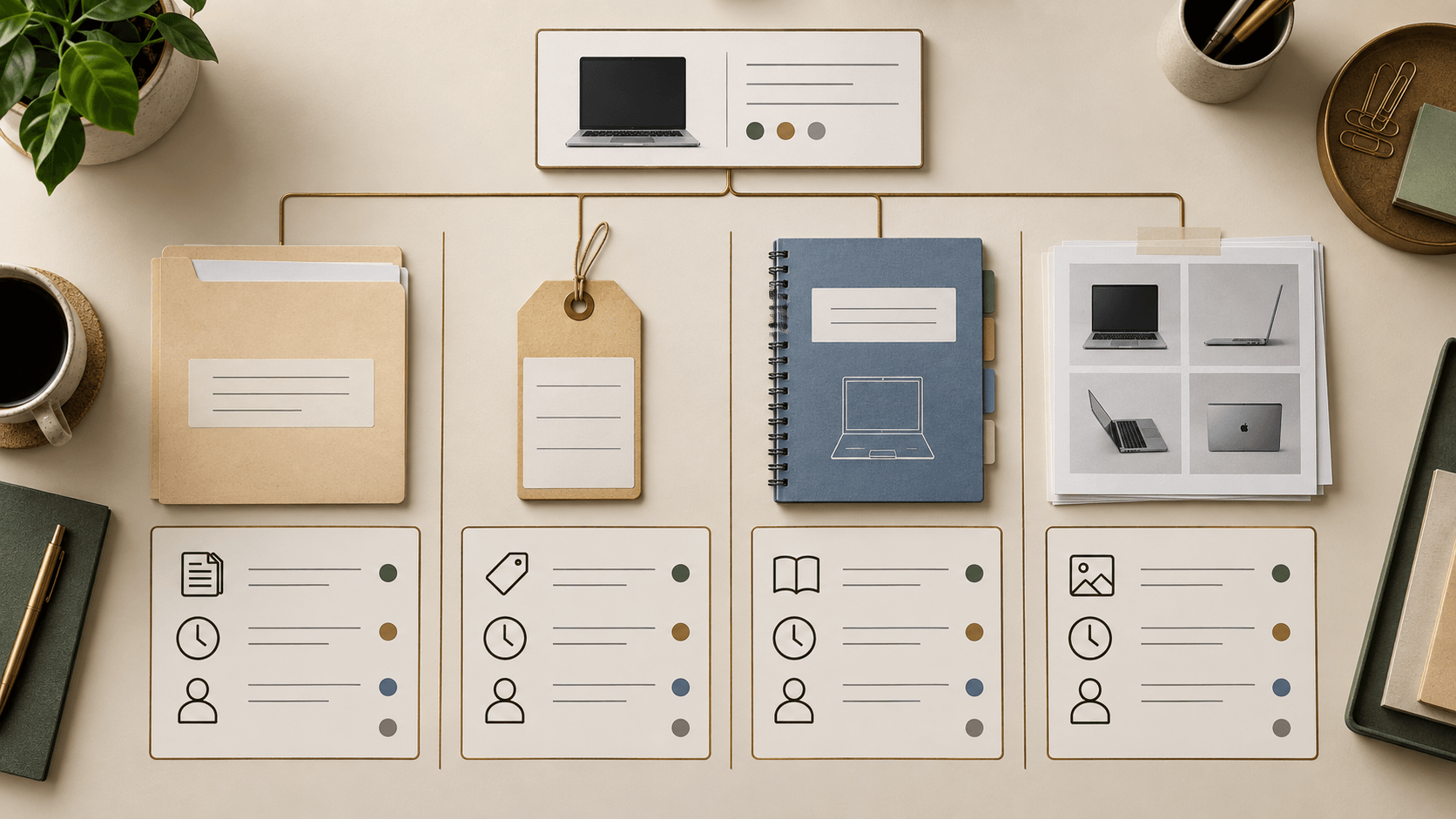
Editorial illustration: use a controlled model record to compare the quotation, label, manual and supplied images.
Purchasing FAQ
Common questions about ordering professional beauty equipment.
What is the difference between OEM and ODM beauty equipment?
OEM usually starts from a defined product or customer design, while ODM can include product definition and development. The final scope is agreed for each project.
Can I add my logo and packaging to an existing machine?
Selected models can be reviewed for logo, color, interface language and packaging customization.
What files should a private-label buyer provide?
Provide brand guidelines, vector logos, color references, language copy, packaging requirements, market information and desired quantity.
How are minimum quantity and lead time determined?
They depend on the model, customization level, sampling, tooling and production requirements and are confirmed after review.
Related services
Explore equipment, customization and buyer support.