
TL;DR · Direct answer
The buying decision in brief
Build a wholesale beauty-equipment range around distinct buyer jobs—not the largest possible catalogue. Assign each model a role, market and support burden; then validate configuration, regulatory/document needs, stock, spare parts and private-label consistency before ordering.
01 / Buying guide
Map local demand before selecting machines
Interview or review requests from the clinics, medspas and resellers you actually serve. Record service category, operator skill, room limitations, preferred language, warranty expectation and price band. Segment by purchase job: an entry device for one task, a multi-function platform for a growing clinic, or a specialist machine with a higher training load.
Do not turn trend headlines into a purchasing forecast. Validate each product role against real inquiries and applicable market rules. Reserve blank fields for unknown demand rather than inventing volumes.

02 / Buying guide
Give every SKU a commercial and support role
A strong range is not one model per technology acronym. For every proposed SKU, state its buyer, use case, difference from the next SKU, accessory package, replacement-item plan and expected first-line support. Remove duplicates that cannot be explained without vague superlatives.
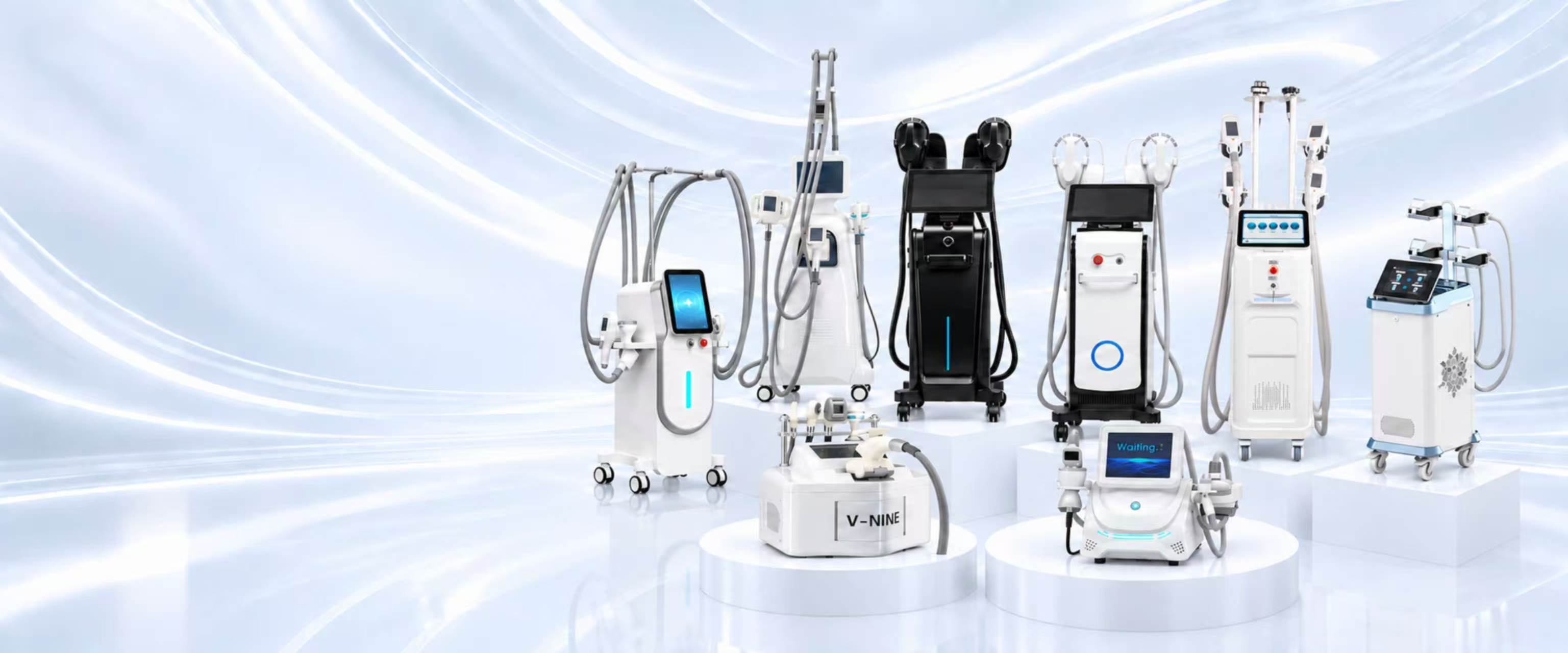
Aurum Epoch lists 60 recorded models across three broad categories. This is a candidate pool, not a recommended assortment. Shortlisting should be driven by model-specific evidence and local market fit.
- Core model: clear repeatable buyer use case
- Step-up model: demonstrable configuration or capacity difference
- Specialist model: distinct workflow and trained-support requirement
03 / Buying guide
Plan inventory and total landed responsibility
Estimate stock by confirmed leads, reorder cadence and the time required for freight, customs, preparation and technical checks. Add demonstration unit, parts stock, consumables, manuals, staff training, warranty reserves and exchange-rate exposure to the commercial model. These are planning categories, not promised financial results.
Quote documents should separate machine price, included accessories, optional parts, packaging, shipping basis and after-sales obligations. A low unit price can become expensive if critical handpieces or service parts are excluded.
04 / Buying guide
Define market and brand roles before launch
For EU medical-device projects, manufacturer, importer and distributor roles carry different obligations. The first four EUDAMED modules became mandatory from 28 May 2026; confirm whether and how a particular device and legal operator must be registered. Never treat a supplier-level document as blanket market permission for a portfolio.
If launching a private label, standardize logo files, interface language, naming, labels, packaging and manuals across approved models. Freeze model-specific changes and sample approvals; do not let visual consistency hide different intended-use or document scopes.
05 / Buying guide
Work through a hypothetical assortment decision
Suppose two candidate machines target the same clinic service and have similar base functions. Keep both only if a documented configuration difference creates a distinct price or workflow role that a salesperson can explain in one sentence. If the difference is merely a cabinet shape or an unverified headline setting, the second SKU adds inventory, training and parts complexity without a clear buyer benefit. This is a planning example, not an actual market result.
For a third specialist model, ask whether the distributor can demonstrate it, train the buyer and supply critical replacement items. A low-volume specialist product with no service plan may be less useful than a smaller, better-supported range. Revisit roles quarterly as actual inquiries and field issues accumulate.
06 / Buying guide
Prepare one launch file per model
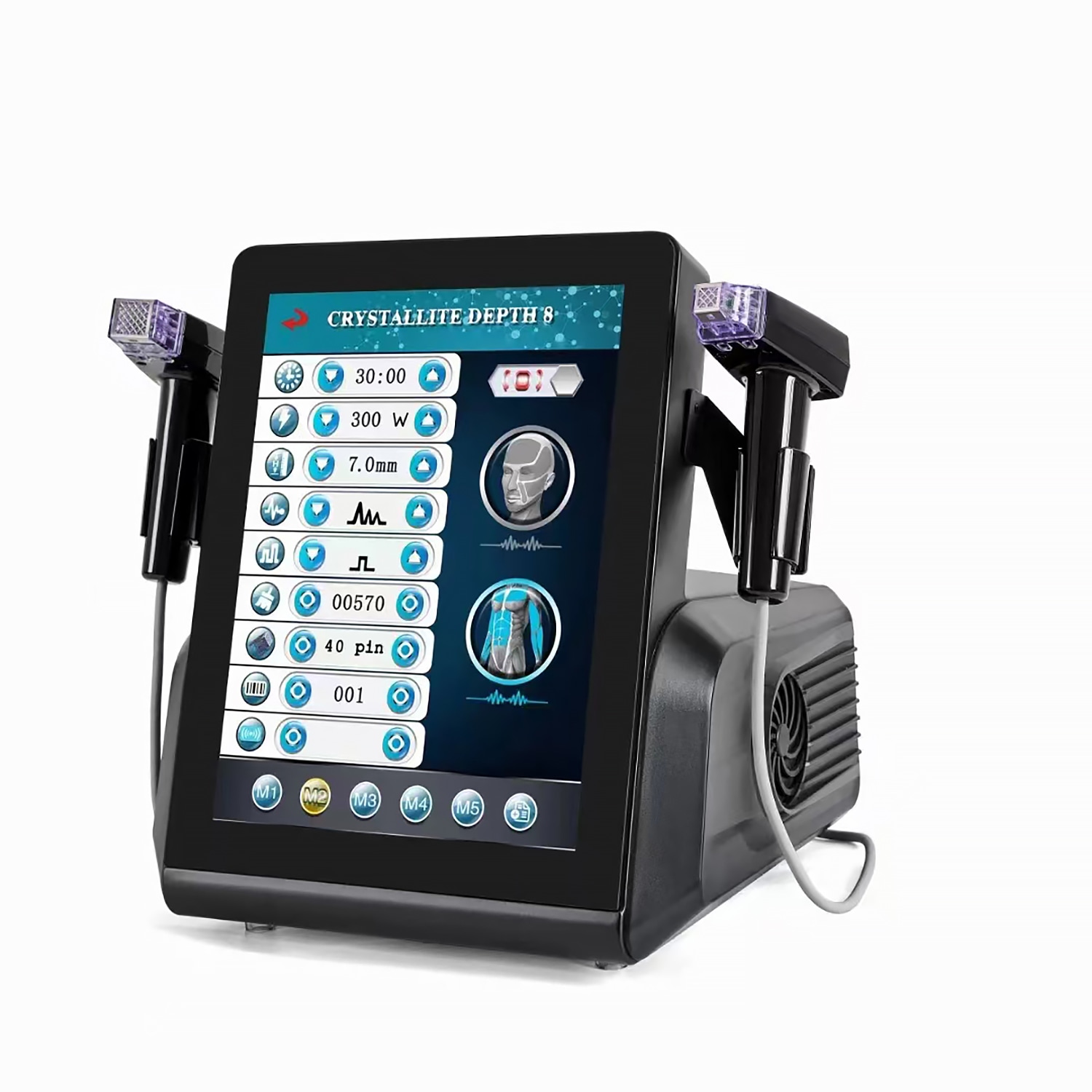
Each line-card file should contain a current product image, exact model and configuration, approved description, intended market, quote basis, user manual, applicable document references, accessory/consumable codes and service escalation contact. Keep the sales-facing summary short but link it to the full evidence set for technical questions. Date the file and name the owner who approves changes.
Before the first order, train sales staff to say “we will confirm” when a parameter or market approval is not evidenced. This avoids overpromising and creates a route for the supplier to resolve gaps. For private-label projects, review the brand, label and warranty responsibilities separately for each model.
Comparison visual
Range roles without self-cannibalization
Core
What solves the common service need?
Clear baseline configuration and support
Step-up
Why pay more?
Documented difference in included modules/workflow
Specialist
Who will operate/support it?
Distinct use case, training and parts plan
Decision flow
Distributor launch sequence
- 01
Demand
Collect actual buyer requests and local constraints.
- 02
Select
Assign non-overlapping model roles.
- 03
Validate
Documents, stock, consumables and support.
- 04
Launch
Train sales and service teams on exact versions.
Practical table
Line-card decision table
Each checklist row shows every comparison field.
| Field | Record before launch | Owner |
|---|---|---|
| Positioning | Buyer, use case and competitor within own range | Commercial |
| Model | Code, configuration and image | Product |
| Compliance | Applicable documents and legal roles | Market specialist |
| Fulfilment | MOQ, reorder and landed terms | Operations |
| Support | Parts, training and escalation | Service |
Buyer FAQ
Frequently asked questions
How many models should a new distributor launch?
There is no universal number. Start with models that have a distinct buyer use case and documented support capacity; add only when demand and service readiness justify it.
Should I include consumables in the range plan?
Yes. Include repeat-purchase items, storage, compatibility and replacement route alongside the machines.
Can one market document cover all models?
Do not assume it does. Check exact model, holder, intended use and market scope separately.
Source notes
References and further reading
External references provide general regulatory or industry context; they do not establish approval of a listed product. Accessed 22 September 2026.
Turn the checklist into a model-specific quotation
Send the exact model, destination market, quantity and configuration you need. Ask for the applicable documents and service scope in the response.
Request a quotation →