
TL;DR · Direct answer
The buying decision in brief
An OEM beauty device sample approval checklist should identify the baseline model, change scope, sample ID and revision, then record separate decisions for function, appearance, logo, interface, packaging, labels and documents. Approve only the layer represented by the evidence. Log deviations, impact, rework and open items, and release a new version only with a named approver and written date.
01 / Buying guide
Name exactly what the sample decision is approving
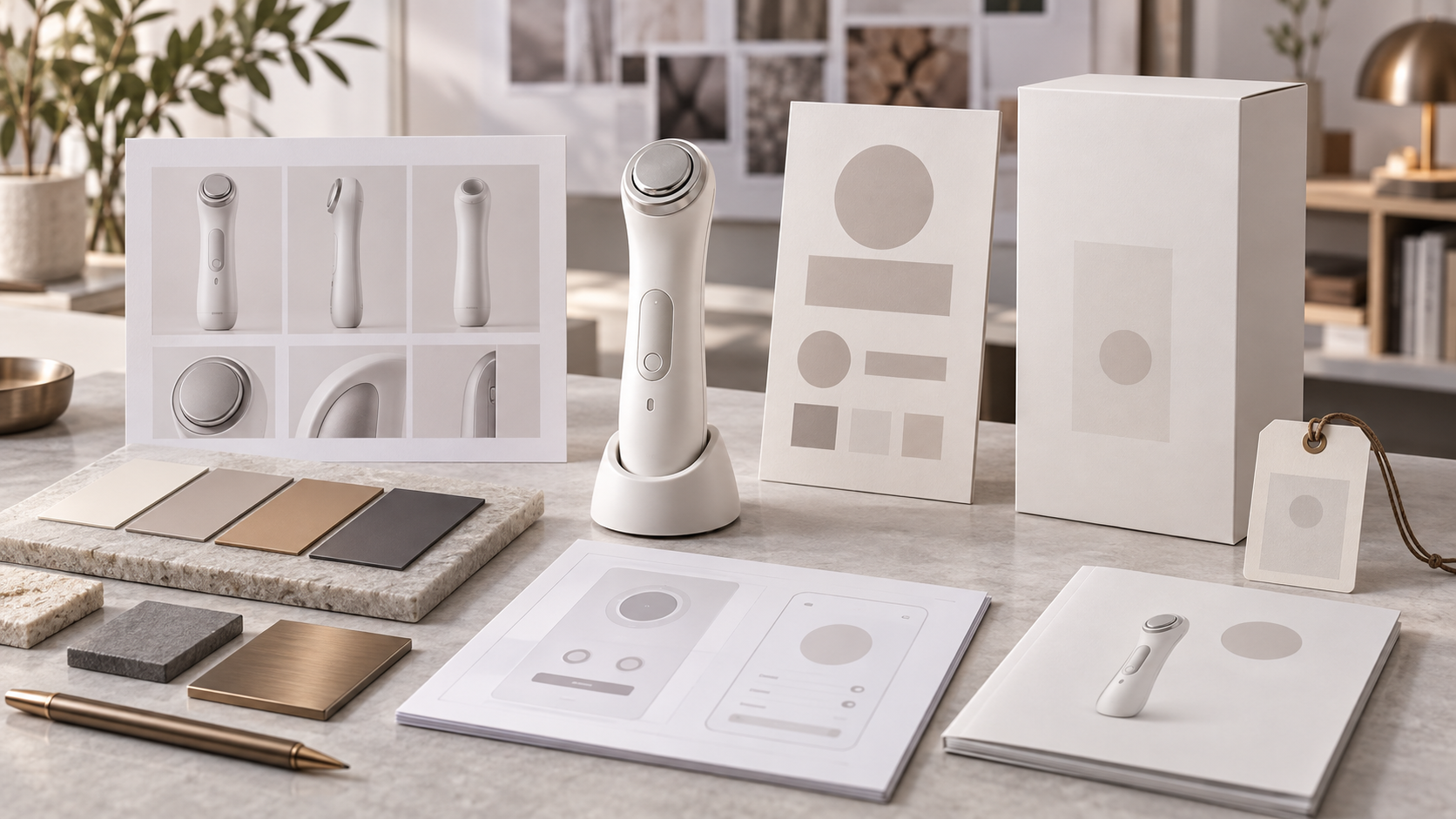
Begin with the project baseline: proposed model, configuration, target market, buyer project and requested private-label changes. Give the evidence under review a sample ID, revision, receipt date and type. State whether it is a standard unit, modified physical sample, digital artwork proof, photo set, packaging proof, engineering prototype or production-intent sample. These are practical buyer labels, not universal regulatory stage definitions.
Write the decision question beside the sample. For example: “approve enclosure color and logo placement only” is narrower and safer than “sample approved.” Identify what is intentionally absent or non-production, such as final materials, interface language, packaging, manual, label, accessories or market documentation. An approval cannot release a layer the sample did not represent.
- Baseline model, configuration and change request
- Sample or proof type, ID, revision and receipt date
- Target market and buyer project
- Decision layer, acceptance criteria and named approver
- Known non-production features and open items

02 / Buying guide
Separate function, appearance, logo, interface, packaging, labels and documents
Create one row for each approval layer. Function review should follow the agreed configuration and acceptance method for that project; it should not create new performance claims. Appearance review can address dimensions, fit, finish, color reference and visible workmanship. Logo review can identify artwork version, process, size and placement. Interface review can identify language, screen sequence and approved copy where included in scope.
Packaging approval should distinguish structure, inserts, artwork and pack-out. Label and manual approvals should name the file revision, language, model identity and target-market questions that still require qualified review. Document review should record the actual file and stated scope rather than a badge. Each row receives its own approved, rejected, conditional or pending status.
03 / Buying guide
Do not treat a sample, digital proof, photo or order as the same record
A digital proof can help approve layout, artwork content and placement, but it does not establish physical color, surface finish, assembly, function or pack-out. A photograph can document a specific sample when it carries the same ID and revision, but it cannot replace physical inspection for tactile or dimensional decisions and cannot show what is outside the frame.
A pre-production or production-intent sample should state which planned materials, processes, configuration, artwork and pack-out it represents, plus every known difference from intended production. A final quotation or purchase order is a commercial record. It should reference the approved sample and incorporated changes, but it is not itself evidence that the physical sample met the buyer’s criteria.
04 / Buying guide
Turn every deviation into an impact and disposition decision
Describe the deviation against the exact requirement and reference: expected condition, observed condition, evidence and affected layer. Ask the supplier to state whether function, appearance, components, artwork, interface, labels, documents, cost, timing or another deliverable may be affected. The buyer should not assume a visual correction is technically neutral or that a file update has no packaging consequence.
Choose a disposition in writing: accept for this stage, reject, rework, resample or leave pending. If rework is requested, name the corrected item, new revision, acceptance method and person responsible for review. A concession should state its boundary and should not silently become the standard for future production or repeat orders.
- Link the deviation to a requirement and sample revision
- Separate supplier impact statements from buyer decisions
- List every affected approval layer
- Record rework, resample or accepted-condition instructions
- Keep unresolved items visible beside the stage decision
05 / Buying guide
Use written approval, dates and controlled revisions
The approval record should show the approver’s name or organizational role, decision date, sample ID, revision, evidence reviewed, decision status, conditions and unresolved items. If several teams approve different layers, keep their decisions separate. A brand manager may approve logo placement while a technical or market reviewer still has open questions.
When an accepted change modifies the reference, issue a new sample or record revision and identify what it supersedes. Retain the earlier record rather than renaming it “final.” Attach or link the current artwork, interface copy, packaging proof, label, manual and photo set with their own revisions. This creates a usable trail for production discussion, inspection and reorder review.
06 / Buying guide
Release only the named stage and carry open items into the final order
Before releasing the next project stage, confirm that blocking items for that stage are closed and conditional items have owners and due points. State explicitly what the approval authorizes: another prototype, packaging proof, pre-production sample, pilot discussion or commercial order review. Buyer approval is not FDA approval, CE marking, certification, test completion or permission to sell in a market.
The final request for quotation should name the baseline model, change scope, approved references, brand assets, target market, quantity and remaining approval gates. Any model- or market-specific documentation should be reviewed separately by qualified parties. This checklist describes buyer control and does not represent that every customization, sample type or file is available from Aurum Epoch.
Comparison visual
What each sample or proof can—and cannot—approve
Standard physical sample
Baseline handling, appearance and function represented by that unit
Private-label changes, final files or target-market evidence
Digital artwork/UI proof
Copy, layout, placement and named screen or artwork revision
Physical color, finish, device function or production repeatability
Photo set
Visible condition of an identified sample and selected details
Unseen components, exact materials, physical inspection or final pack-out
Pre-production sample
Named near-production configuration, materials, artwork and packaging represented
Future-lot consistency, shipment acceptance or market authorization
Final quotation/order
Commercial scope that references approved samples and files
Proof that the physical sample or production units passed acceptance
Decision flow
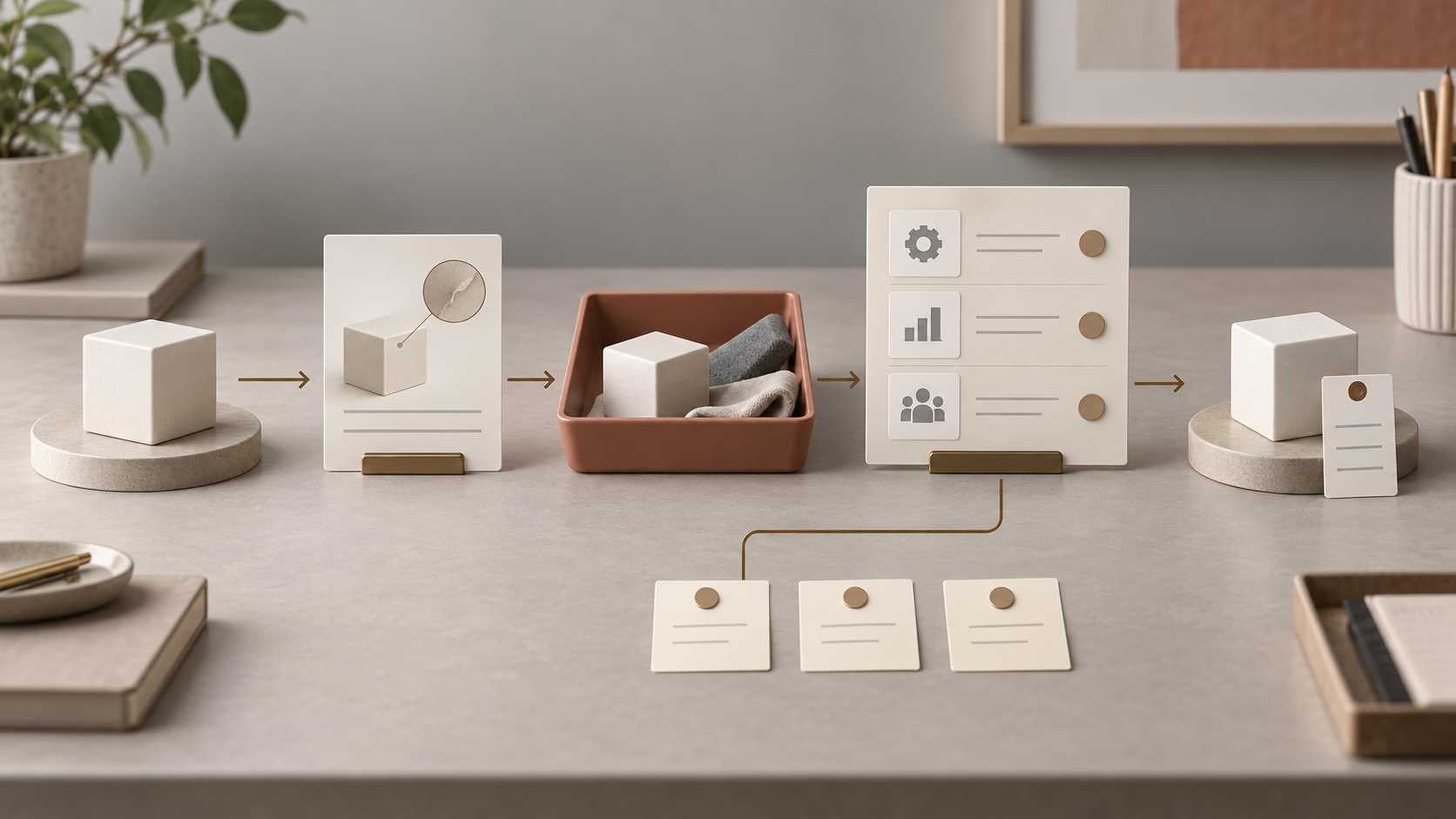
Sample deviation and approval-control flow
- 01
Identify
Name the baseline, sample ID, revision and approval layer.
- 02
Evaluate
Compare evidence with written criteria and record the result.
- 03
Assess impact
List affected function, appearance, brand, file and commercial layers.
- 04
Rework or decide
Accept, reject, correct, resample or keep the item pending.
- 05
Release revision
Issue a dated written approval and state exactly what it authorizes.
Practical table
Layered OEM sample approval record
Each checklist row shows every comparison field.
| Approval layer | Evidence and fields to record | Decision owner / status |
|---|---|---|
| Function | Sample ID, exact configuration, agreed check method, result and open difference | Technical reviewer |
| Appearance | Dimensions where relevant, color reference, finish, fit and visible workmanship | Brand/product owner |
| Logo | Authorized artwork version, process, size, position and color | Brand owner |
| Interface | Screen/version, language, copy source, sequence and unresolved translation | Product + language owner |
| Packaging | Structure, insert, artwork, pack-out, file revision and known non-production detail | Packaging/operations owner |
| Label and manual | Model identity, language, file version, date and target-market questions | Document/market reviewer |
| Release record | Approver, date, sample revision, deviations, conditions and next authorized stage | Named final approver |
Buyer FAQ
Frequently asked questions
Is a golden sample the same as a complete specification?
No. A retained sample can be a useful physical reference, but written configuration, criteria, tolerances, artwork, files and accepted deviations are still needed. State exactly what the sample represents.
Can photos replace a physical sample approval?
Photos may support visible placement or condition checks for an identified sample. They do not reliably establish tactile finish, exact color, dimensions, assembly, function, unseen components or complete pack-out.
Should one email approve function, logo and packaging together?
Only if it lists each layer, its evidence, result, conditions and open items. Separate rows are clearer because different reviewers and revisions may apply to function, brand, packaging, labels and documents.
Does buyer sample approval authorize sale in the target market?
No. Buyer approval is a procurement decision for the named stage. Product classification, conformity, registration, labeling and market access depend on the exact product, claims, legal roles and applicable official requirements.
Source notes
References and further reading
External references provide general regulatory or industry context; they do not establish approval of a listed product. Accessed 29 September 2026.
Prepare a sample request with explicit approval criteria
Send the baseline model, requested change scope, brand assets, target market, quantity and the criteria you plan to use for sample approval. Keep open items and required approval layers visible in the request.
Request a quotation →